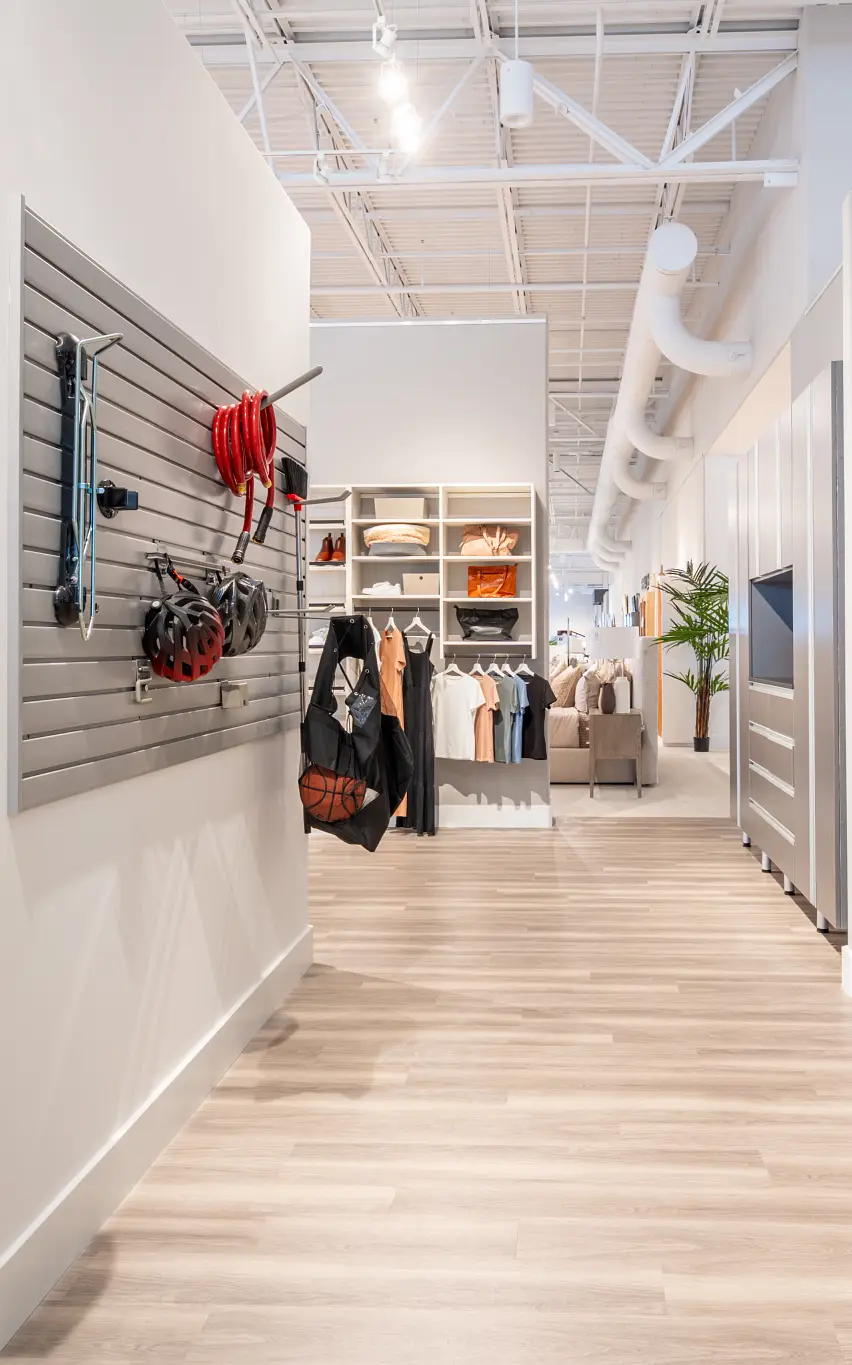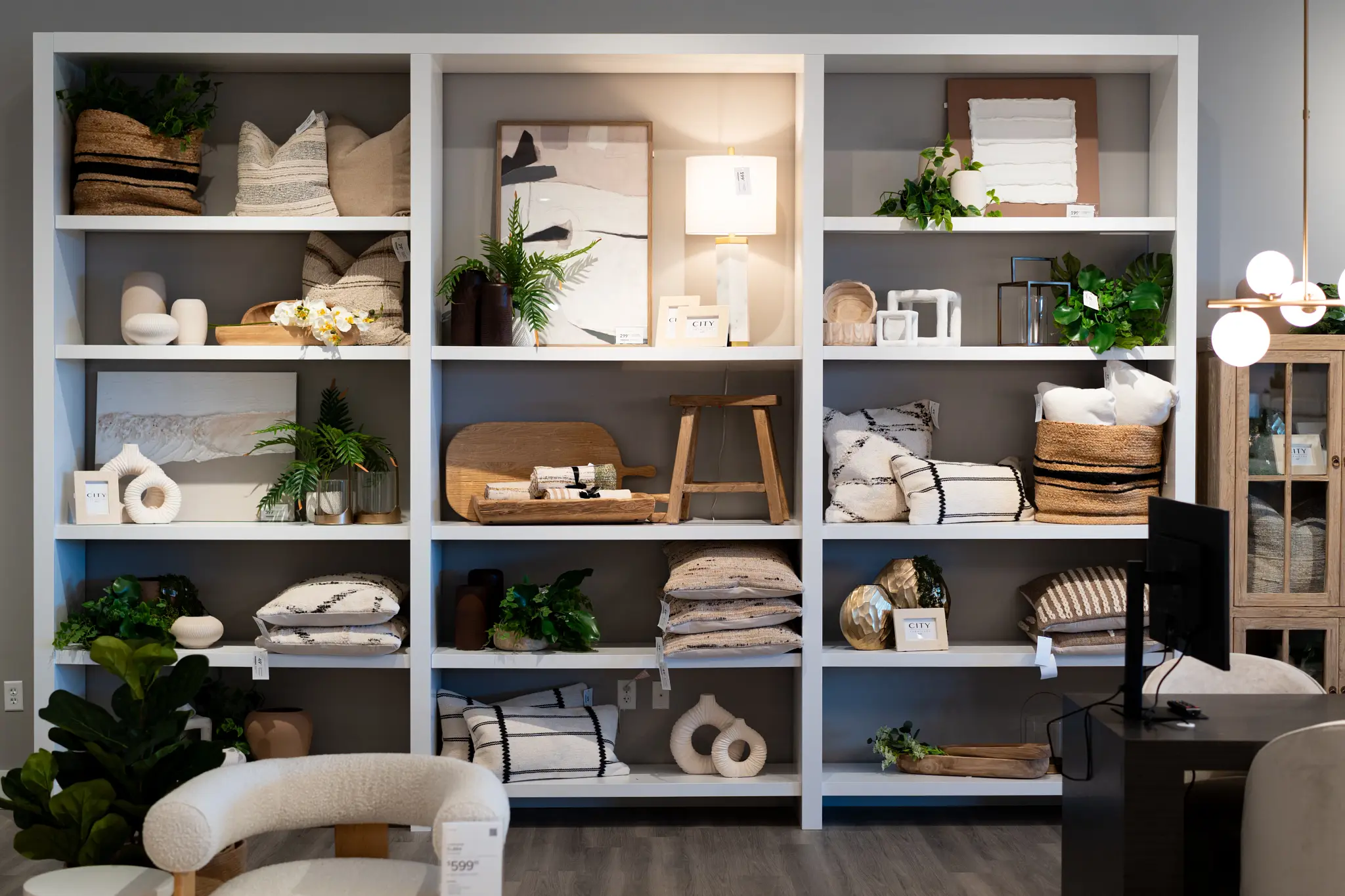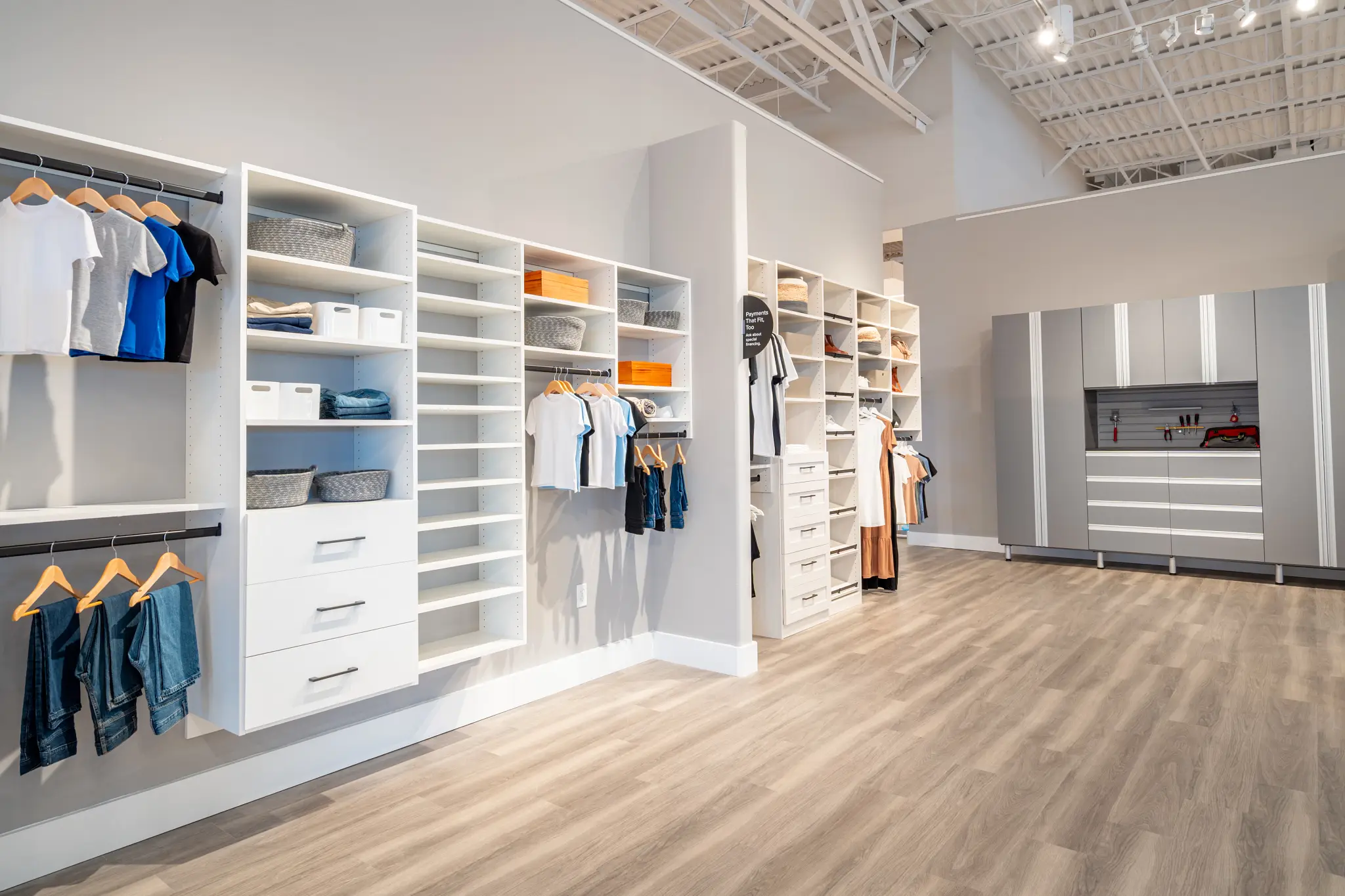
Affordable Custom Closets for Smart, Stylish & Budget-Friendly Storage

Affordable Custom Closets for Smart, Stylish & Budget-Friendly Storage

A well-designed closet can completely transform how a home feels and functions. From reducing clutter to improving daily organization, the right storage system makes life easier and more efficient. However, many homeowners assume that achieving a custom closet design requires a large investment.


The good news is that modern affordable custom closets and budget closet solutions make it possible to create highly functional, stylish storage spaces without overspending. With the rise of modular systems, flexible layouts, and cost-effective materials, upgrading your closet is more accessible than ever.


This guide explores practical strategies, design ideas, and smart purchasing decisions that help you achieve a polished, custom look on a budget.
 

Budget Closet Design Tips: Save Money Without Sacrificing Style

Budget Closet Design Tips: Save Money Without Sacrificing Style

Designing a beautiful and functional closet doesn’t require a full renovation or expensive custom builds. Many of the best budget closet solutions focus on maximizing your existing space through smart organization strategies and intentional, cost-effective upgrades.


Start by assessing your current layout and identifying problem areas like unused vertical space, overcrowded shelves, or inefficient storage zones. Simple additions such as stackable organizers, adjustable rods, and slim storage bins can instantly improve functionality without major costs.


Decluttering before redesigning is another important step. Removing unused or seasonal items creates more space and helps you determine which storage solutions are actually necessary. A cleaner, more organized closet naturally feels more polished and functional.


Vertical optimization is also key. Double hanging rods, over-the-door organizers, and shelf risers help maximize storage capacity without changing the structure of your closet. This is especially useful for smaller spaces that need smarter organization.

Lighting can also make a noticeable difference. LED strip lights, puck lights, or motion-sensor lighting improve visibility while giving your closet a more elevated, custom-built appearance.


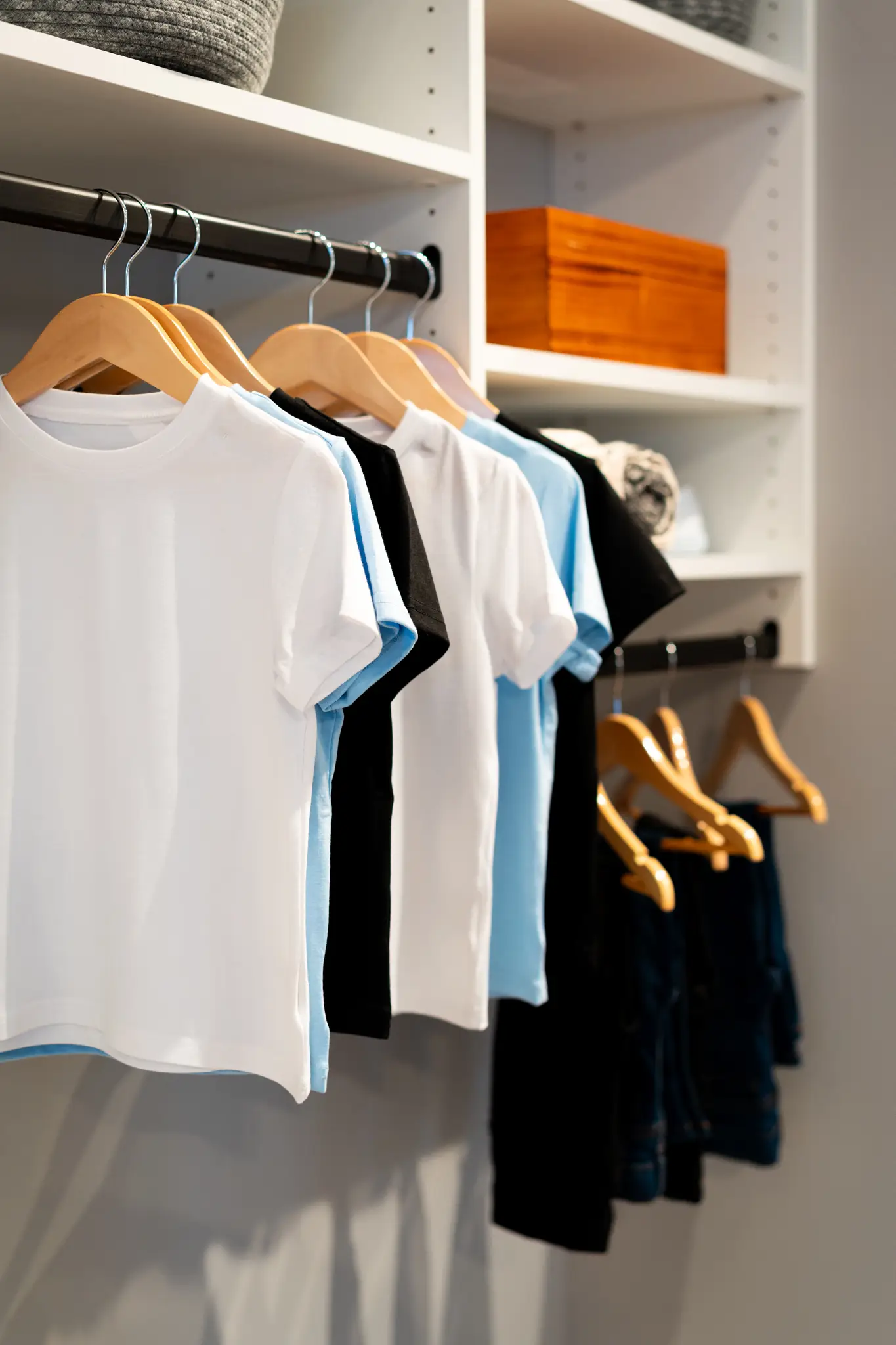
Finally, small design details like matching storage bins, coordinated hangers, and neutral color palettes help create a clean, cohesive look that feels stylish without increasing your budget.

Closet Design Mistakes to Avoid and How to Fix Them

Closet Design Mistakes to Avoid and How to Fix Them

When planning affordable custom closets, avoiding common design mistakes can help maximize storage, improve functionality, and prevent unnecessary long-term costs. A well-designed closet should feel organized, efficient, and adaptable to your daily routine while maintaining a clean and visually appealing layout.

Overbuying Storage Systems

Adding too many shelves, drawers, or organizers can make a closet feel crowded instead of functional. The best budget closet solutions focus on practical storage that fits your actual wardrobe and lifestyle needs without overwhelming the space.

Ignoring Vertical Space

Failing to use full wall height can waste valuable storage potential, especially in smaller closets. Adding upper shelves or stacked systems is a simple way to increase storage capacity while keeping the layout organized and efficient.

Poor Closet Lighting

Insufficient lighting can make even a well-designed closet feel cluttered and difficult to use. Simple upgrades like LED lighting or motion-sensor fixtures improve visibility while creating a cleaner, more polished appearance.

Not Planning for Future Storage

Closets should be designed with flexibility in mind to accommodate seasonal items, lifestyle changes, or additional storage needs over time. Adjustable shelving and modular systems make it easier to maintain long-term organization.


Avoiding these common mistakes helps ensure your closet remodeling project delivers better organization, improved efficiency, and lasting value for your home.

Cost vs. Style: How to Budget for a Custom Closet

Cost vs. Style: How to Budget for a Custom Closet

When planning a closet upgrade, one of the most important considerations is balancing cost with design quality. While it may be tempting to invest heavily in fully custom installations, not every feature needs to be high-end to achieve a polished result. 

Focus your budget on high-impact areas such as shelving structure, hanging systems, and drawer functionality. These elements provide long-term value and significantly improve daily usability. 


It’s also important to think in terms of durability vs. aesthetics. Structural components like rails, brackets, and drawer slides should prioritize strength and longevity, while surface finishes can remain more budget-friendly without affecting overall performance. 


On the other hand, decorative elements like hardware, finishes, and accessories offer opportunities to save without sacrificing style. Choosing cost-effective alternatives in these areas allows you to maintain a clean, modern aesthetic while staying within budget. Swapping premium metals for brushed finishes or using simple, uniform handles can still deliver a cohesive, custom look. 


Another smart strategy is to invest in modular flexibility rather than fixed luxury features. Modular inserts, adjustable shelving, and expandable systems often provide better long-term value because they adapt to changing storage needs without requiring a full redesign. 


Understanding where to invest and where to save is key to achieving a successful closet remodeling project that looks expensive but remains affordable. The goal is not to maximize spending—it’s to maximize impact, ensuring every design choice contributes to both function and style. 

Best Materials for Budget-Friendly Closet Systems

Best Materials for Budget-Friendly Closet Systems

Choosing the right materials is essential when building affordable custom closets that balance cost, durability, and style. The materials you choose impact not only the overall appearance of your closet but also how well it performs with everyday use.

MDF vs. Plywood vs. Particle Board

Common closet materials include MDF, plywood, and particle board. MDF is a budget-friendly option with a smooth finish that works well for painted closet designs, though it is less moisture-resistant. Plywood offers greater durability and strength, making it ideal for long-term use at a moderate price point. Particle board is the most affordable option and works best for lighter storage needs and entry-level closet systems.

Wire vs. Solid Shelving

Shelving style also affects both function and appearance. Wire shelving is inexpensive, easy to install, and ideal for basic budget closet solutions. Solid shelving provides a cleaner, more built-in appearance while offering better weight support and long-term stability.

Affordable Closet Finishes Explained

Finishes like laminate, melamine, and thermofoil offer a cost-effective way to achieve a modern, polished look without the higher price of real wood. These materials are also low maintenance, making them practical for busy households and everyday use.


Understanding the differences between closet materials helps you choose a system that stays functional, durable, and visually appealing while remaining within budget.

Modular Closet Systems: Flexible & Affordable Storage

Modular Closet Systems: Flexible & Affordable Storage

One of the most effective ways to achieve a custom look on a budget is through modular closets. These systems are flexible, scalable, and easy to install, making them ideal for homeowners who want stylish organization without the high cost of built-in renovations.


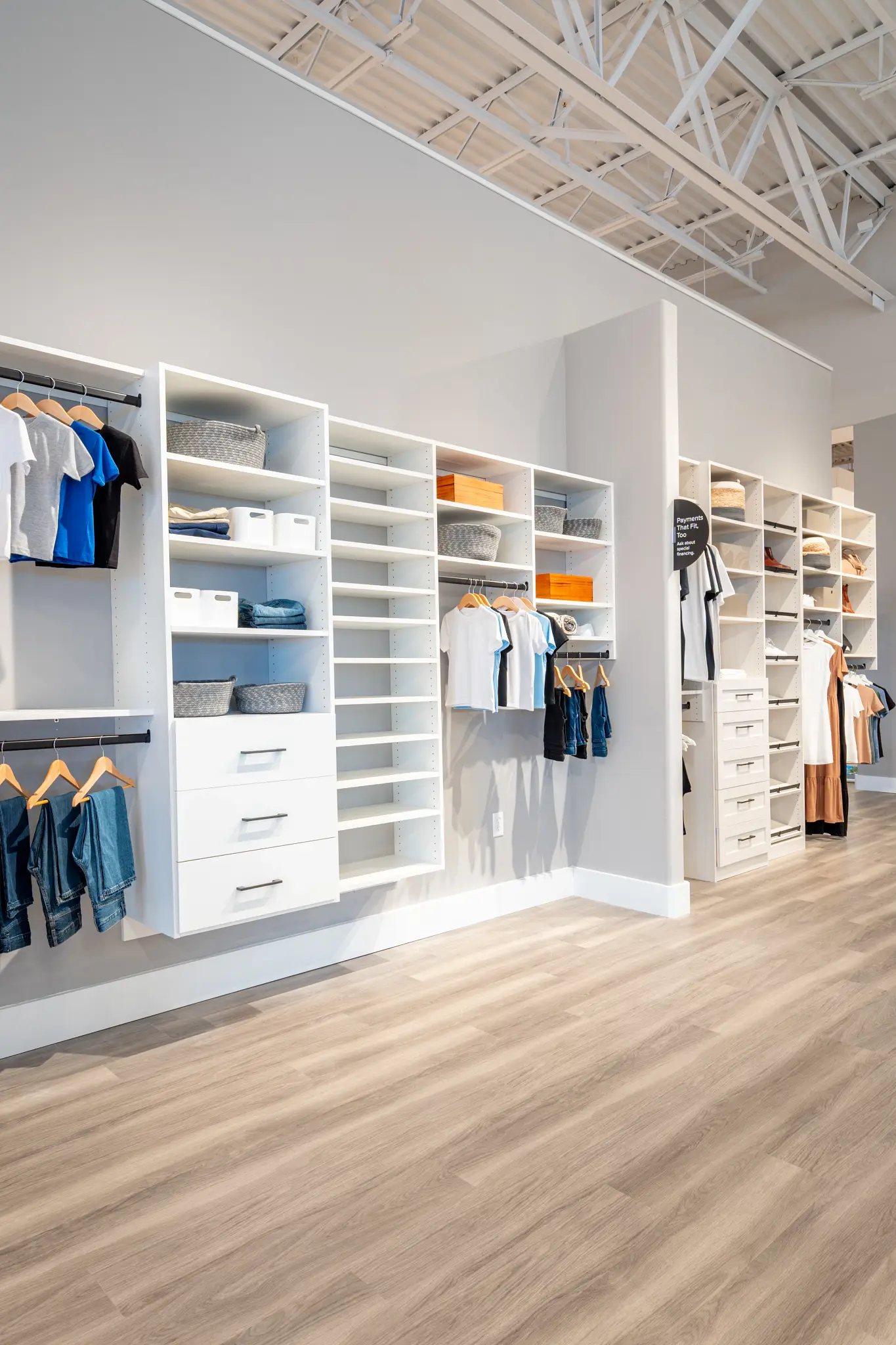
Modular closets typically include adjustable shelves, interchangeable components, and add-on accessories that allow you to customize the layout based on your storage needs. Whether you have a compact reach-in closet or a spacious walk-in, modular systems can adapt to almost any space.


Another major advantage is easier installation. Unlike traditional built-ins that often require professional construction, many modular systems are designed for quick setup, helping reduce labor costs and installation time. This makes them a practical solution for both homeowners and renters.


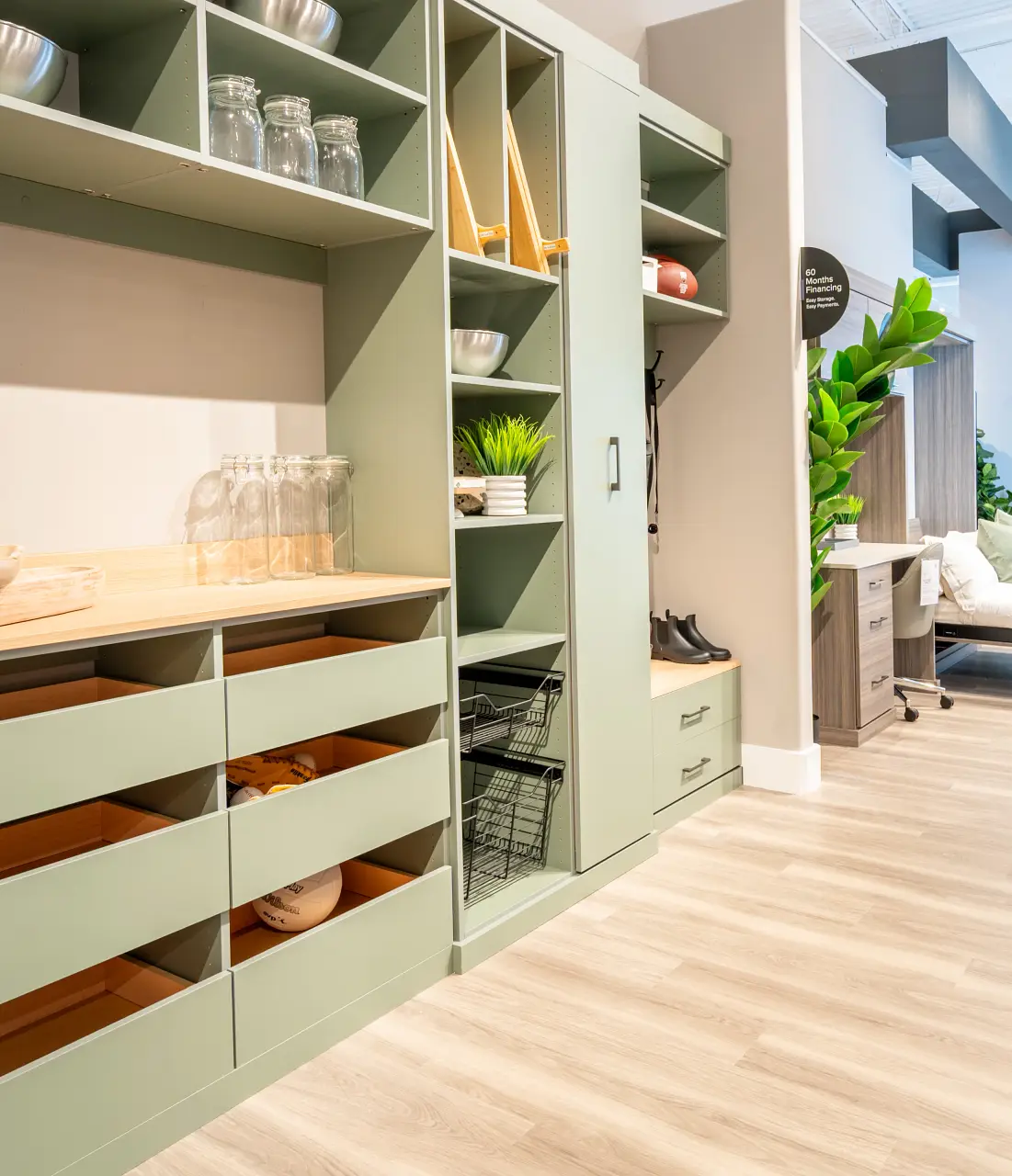
Modular closets also provide flexibility in design. You can mix finishes, add drawers, or incorporate open shelving while still maintaining a clean, cohesive appearance that feels custom-built.


Scalability is another key benefit. You can begin with a simple setup and expand over time as your storage needs change, making modular closets a smart long-term investment for budget-conscious spaces.


Finally, modular systems help maximize storage efficiency through vertical stacking, corner units, and customizable inserts that make better use of every inch of available space.

Why Modular Systems Are the Future of Closet Design

Why Modular Systems Are the Future of Closet Design

Modular closets are becoming a popular choice in modern home organization because they combine flexibility, affordability, and style. They offer a practical alternative to expensive built-in renovations while still delivering a clean, custom-looking design.


One of the biggest advantages of modular closets is flexibility. Unlike permanent installations, modular systems can be adjusted, expanded, or reconfigured as storage needs change over time. This makes them ideal for growing households and evolving lifestyles.


From a budget standpoint, modular systems are also more cost-effective than traditional custom closets. They reduce labor costs, require less installation time, and eliminate the need for major construction, making them one of the most efficient budget closet solutions available.


Another major benefit is long-term adaptability. Homeowners can gradually add drawers, shelving units, or storage accessories without replacing the entire system. This allows for easier upgrades while keeping costs manageable over time.


Modular closets are also ideal for both renters and homeowners. Their flexible and often movable design makes them convenient for renters, while homeowners appreciate the ability to customize their storage without committing to expensive permanent renovations.

Closet Layout Ideas for Small & Large Spaces

Closet Layout Ideas for Small & Large Spaces

Choosing the right layout is essential when designing affordable custom closets, as it directly impacts storage efficiency, accessibility, and organization. Whether you’re working with a compact reach-in closet or a spacious walk-in, the right configuration can help maximize every inch of available space.

Reach-In Closet Layout Tips

For reach-in closets, maximizing vertical and horizontal storage is key. Double-hanging rods, slim shelving, and door-mounted organizers help increase storage capacity without taking up additional room. These solutions are especially effective for smaller bedrooms and compact closet spaces.

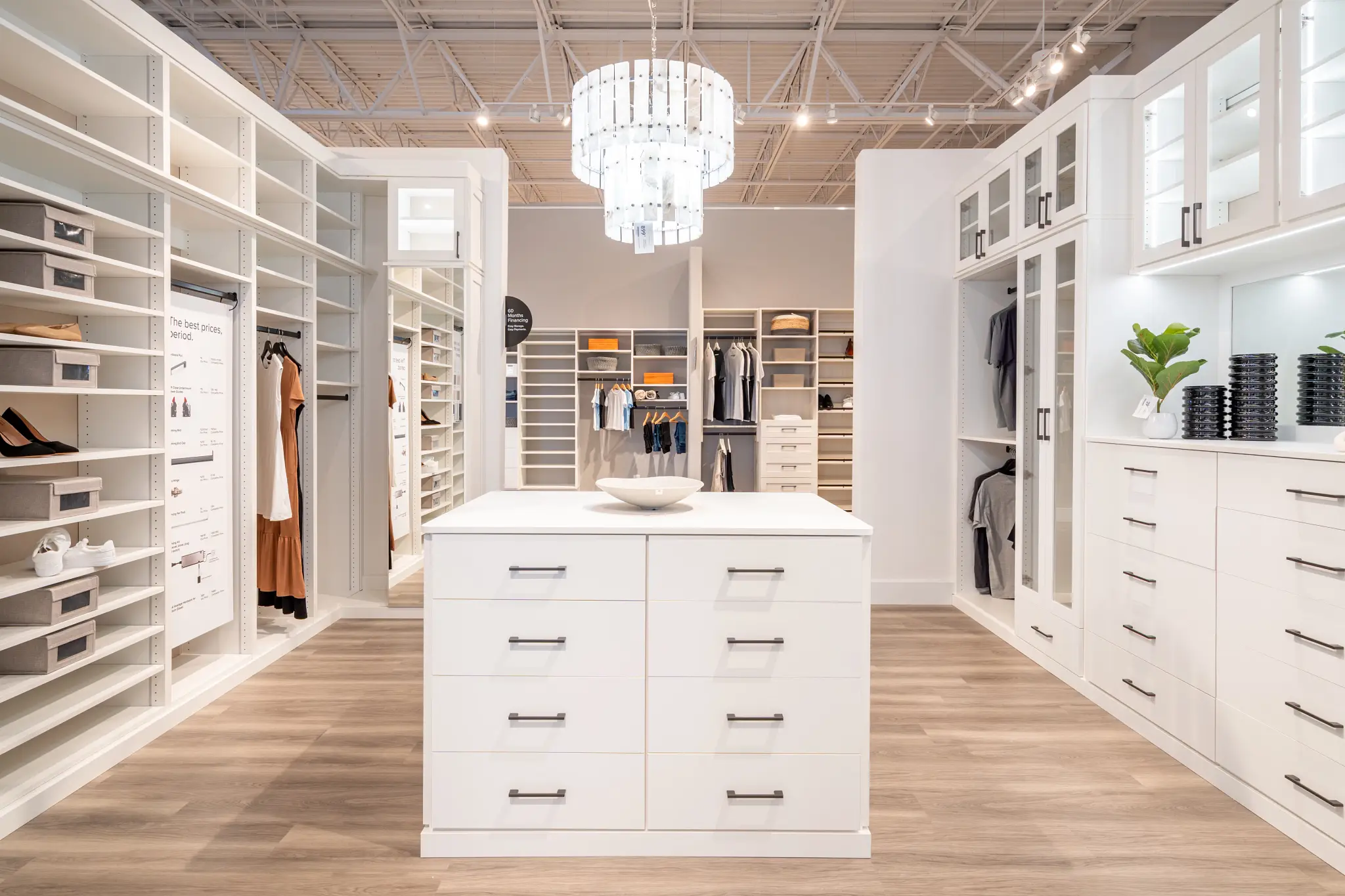
Walk-In Closet Layout Ideas

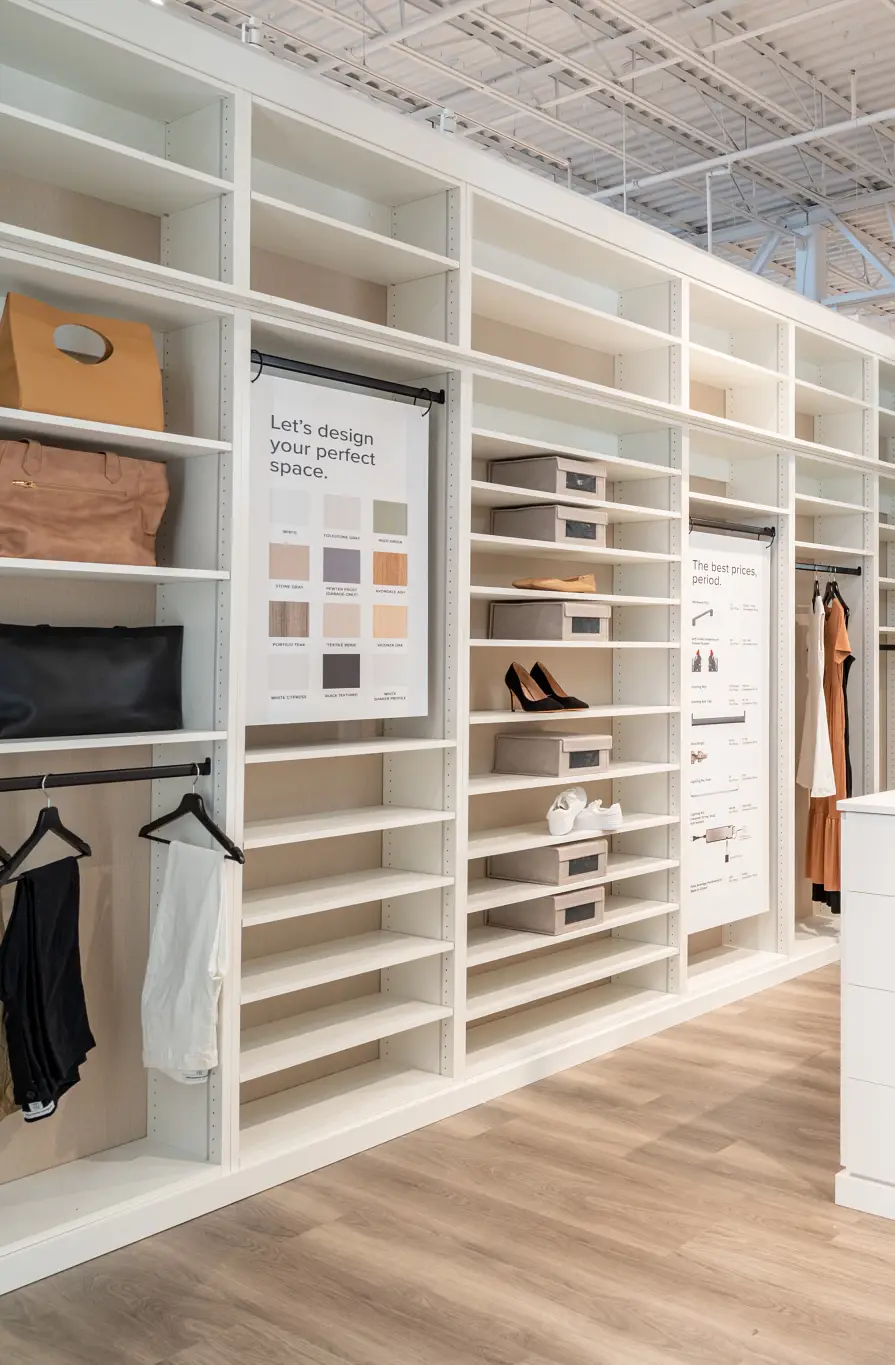
Walk-in closets benefit from designated storage zones for hanging clothes, shoes, folded items, and accessories. A well-planned layout improves organization, creates better flow, and gives the closet a more polished and custom-built appearance.

L-Shaped vs. U-Shaped Closets

L-shaped closets work well for corner optimization and medium-sized spaces, while U-shaped layouts provide maximum storage capacity for larger walk-ins. Both layouts pair well with modular closet systems, allowing greater flexibility and customization based on your storage needs.


Vertical stacking is another important strategy for any closet size. Tall shelving, overhead storage, and stacked compartments help maximize unused space while improving long-term functionality and organization.


By selecting the right layout for your space, you can create a closet system that feels functional, organized, and custom-designed while still staying within budget.

Closet Remodeling on a Budget: Smart Upgrade Ideas

Closet Remodeling on a Budget: Smart Upgrade Ideas

Upgrading your closet doesn’t always require a full renovation. In fact, closet remodeling on a budget often focuses on strategic improvements that deliver maximum impact with minimal cost.

Partial Closet Remodel Ideas

One effective approach is partial remodeling, where you upgrade only essential components like shelving, hanging rods, or storage inserts. Even small adjustments, such as adding extra shelving or reconfiguring hanging space, can significantly improve storage capacity and usability.

Low-Cost Closet Makeover Tips

Refinishing existing materials is another affordable way to refresh your closet. Painting shelves, replacing hardware, or updating finishes can instantly modernize the space without the expense of a complete remodel. Simple upgrades like neutral paint colors and modern handles can make an outdated closet feel brand new.


Lighting also makes a noticeable difference. LED strips, motion-sensor lights, or stick-on fixtures improve visibility while creating a cleaner, more elevated appearance.

Affordable Closet Accessories That Make a Difference

Small storage accessories can also have a big impact. Drawer dividers, hanging organizers, pull-out bins, and storage baskets help reduce clutter and create a more organized layout without requiring structural changes.


With the right combination of small upgrades, you can transform an outdated closet into a stylish and functional storage space while staying within budget.

Affordable Custom Closet Solutions for Every Home

Affordable Custom Closet Solutions for Every Home

Today’s market offers a wide range of affordable custom closets that combine style, functionality, and cost efficiency. From modular systems to semi-custom configurations, homeowners now have more options to upgrade their storage spaces without the expense of full-scale renovations.


Many modern closet systems are designed to deliver a personalized, custom-built appearance while remaining budget-friendly. Features like adjustable shelving, built-in drawers, hanging rods, and flexible layouts help maximize organization while maintaining a clean and polished look.


Another major advantage is installation flexibility. Many budget closet solutions are designed for quick and easy setup, helping reduce renovation time and professional installation costs. This also makes future upgrades and layout changes more convenient as storage needs evolve over time.


Retailers like CITY HOME and similar providers offer closet systems that combine practical storage with modern design. Modular components allow homeowners to customize layouts, expand storage, and create more efficient organization while staying within budget.


By choosing the right closet system, you can achieve a stylish, custom-inspired space that balances functionality, organization, and affordability without sacrificing design quality.

How to Plan Your Closet Upgrade Step-by-Step Guide

How to Plan Your Closet Upgrade Step-by-Step Guide

Planning a closet upgrade becomes much easier when you follow a structured process. A well-planned approach helps you stay within budget while creating a functional and stylish space using affordable custom closets and smart storage solutions.

Measure Your Closet Space

Start by measuring your closet’s height, width, and depth accurately. Proper measurements help ensure your closet system fits correctly and prevent costly installation mistakes later.

Choose the Right Closet System

Decide whether modular closets, semi-custom systems, or DIY solutions best match your storage needs and budget. Focus on layouts that offer both functionality and long-term flexibility.

Use a 3D Closet Planner

A 3D room planner or free design service can help you visualize different layouts before making a purchase. This makes it easier to plan shelving, hanging sections, and drawer placement more efficiently.

Set a Realistic Budget

Create a budget that balances storage essentials, accessories, and finishes. Prioritize practical organization features while keeping decorative upgrades simple and cost-effective.

Order & Install

Once your design is finalized, choose products with fast shipping and easy installation options. Many modular systems are designed for simple assembly, making closet upgrades faster and more budget-friendly.


By following these steps, you can create a closet system that feels organized, functional, and custom-designed without overspending.

Final Thoughts: Smart Storage Starts with Smart Planning

Final Thoughts: Smart Storage Starts with Smart Planning

Creating a well-organized and stylish custom closet doesn’t require a large budget—it simply requires smart planning and intentional design choices. With the right combination of budget closet solutions, modular systems, and practical upgrades, you can transform almost any space into a functional and polished storage area.


The key is to prioritize flexibility and long-term usability. Modular components, adjustable shelving, and efficient layouts help your closet adapt to changing storage needs without requiring expensive renovations later. Focusing on essential upgrades like shelving, hanging systems, and organization zones also helps maximize functionality while keeping costs manageable.


Many brands now offer free design services and 3D room planners that make the process easier by helping you visualize layouts and optimize your space before purchasing. These tools can help prevent design mistakes while creating a closet system that fits both your needs and budget.


Fast shipping and easy-to-install systems also make closet upgrades more convenient than ever, allowing you to move quickly from planning to installation without major delays.


With the right strategy and smart storage solutions, your closet can become a more organized, stylish, and efficient part of your home without exceeding your budget.

FAQ: Affordable Custom Closets & Budget Storage Solutions

What are affordable custom closets?

Affordable custom closets are storage systems designed to create a built-in, personalized look without the high cost of traditional custom carpentry. These systems often use modular components, adjustable shelving, and flexible layouts to reduce material and installation expenses while still delivering a stylish and functional design.

Are modular closets a good alternative to custom-built systems?

Yes. Modular closets are considered one of the best budget closet solutions because they are flexible, scalable, and easy to install. They allow you to customize layouts, add storage accessories over time, and adjust the system as your organization needs change—all without the high cost of full closet renovations or custom-built carpentry.

How can I make a small closet more functional on a budget?

Maximizing vertical space, using slim storage bins, adding double-hanging rods, and incorporating door-mounted organizers are some of the most effective ways to improve closet organization on a budget. These simple upgrades help increase storage efficiency and functionality without requiring expensive closet remodeling or major structural changes.

What is the most cost-effective material for closet systems?

Particle board is typically the most affordable closet material, while MDF offers a more durable mid-range option with a smoother finish. Plywood is the strongest and most durable choice, though it comes at a slightly higher cost. The best material depends on your budget, desired appearance, and how much weight your closet system needs to support over time.

Can I design my closet before buying anything?

Yes. Many retailers offer a 3D room planner or free design services to help you visualize your layout before purchasing. This reduces mistakes and ensures your custom closet systems fit your space properly.

How long does closet installation usually take?

Installation time varies depending on the system. Modular closets can often be installed within a day, while more complex setups may take longer. Many providers also offer fast shipping, which helps speed up the overall project timeline.

Is it better to remodel my closet all at once or step by step?

For most homeowners, a step-by-step approach is more budget-friendly. You can start with essential upgrades like shelving and storage systems, then add features over time as your budget allows.