1. Identify Your Needs
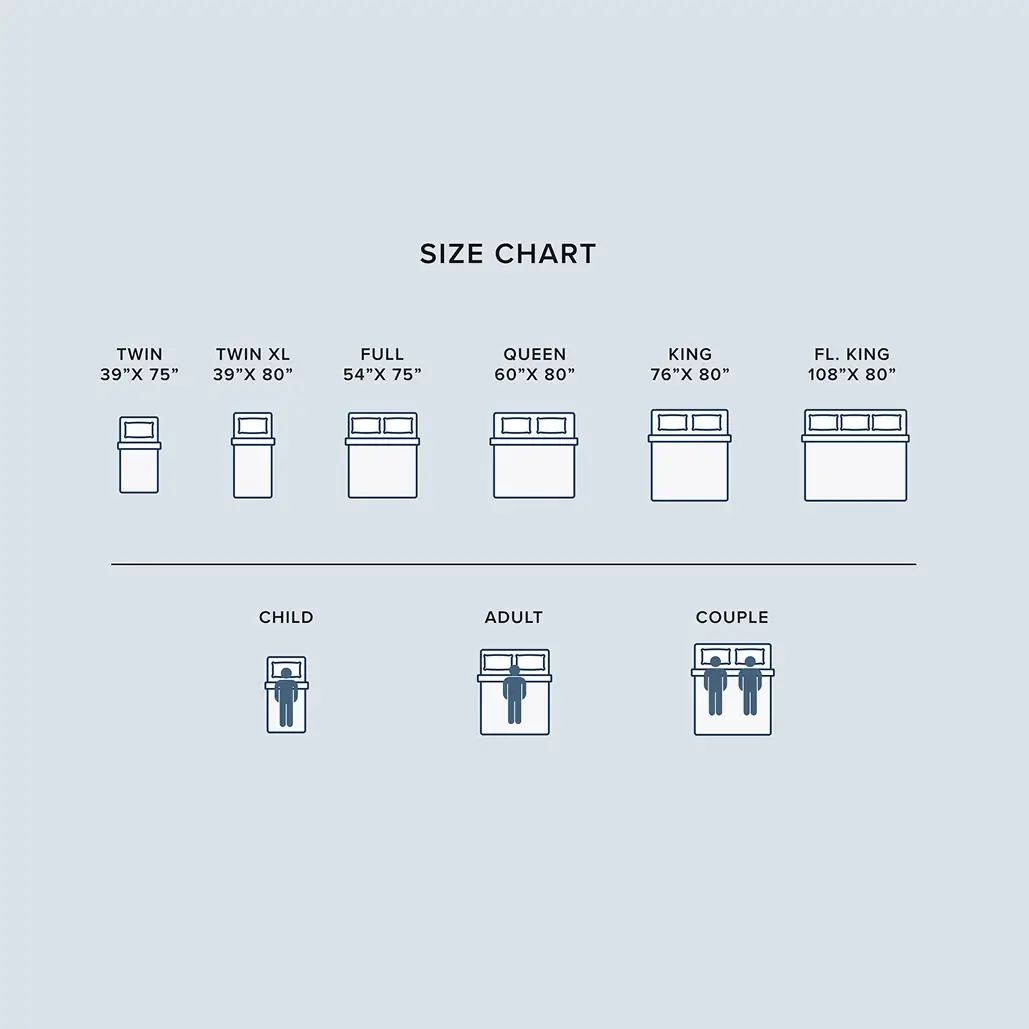
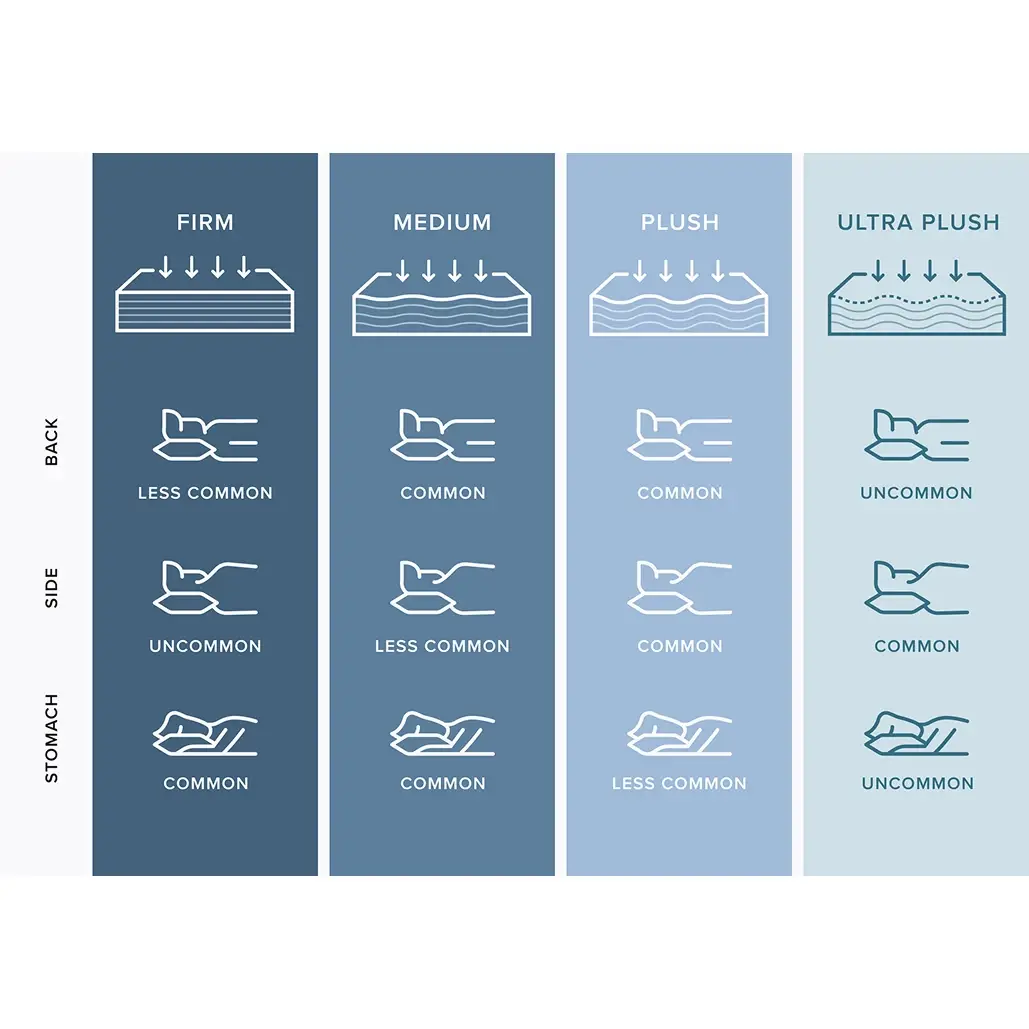
Let’s talk mattress size, sleep positions, and sleep disruptions.


















2. Explore Mattress Types
Learn about materials, support options, and mattress tops.
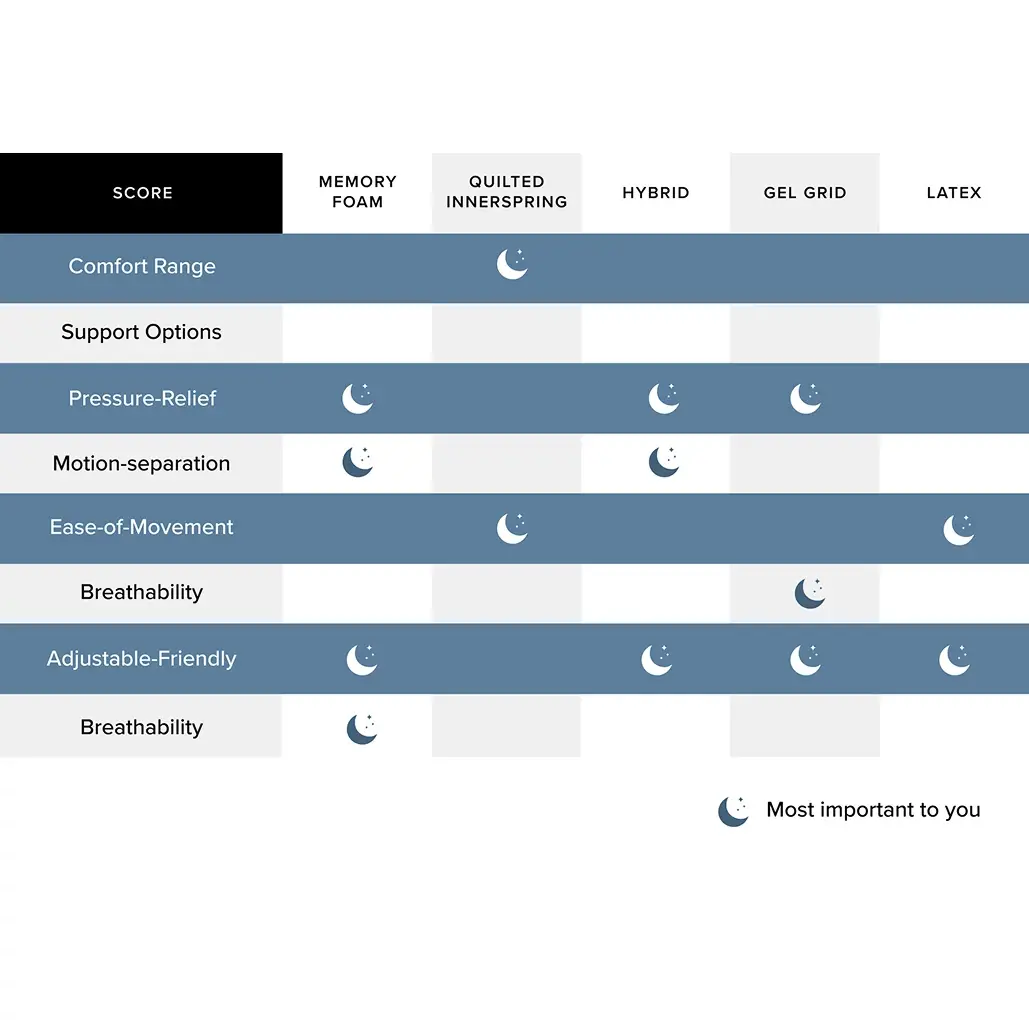

Types of Mattresses
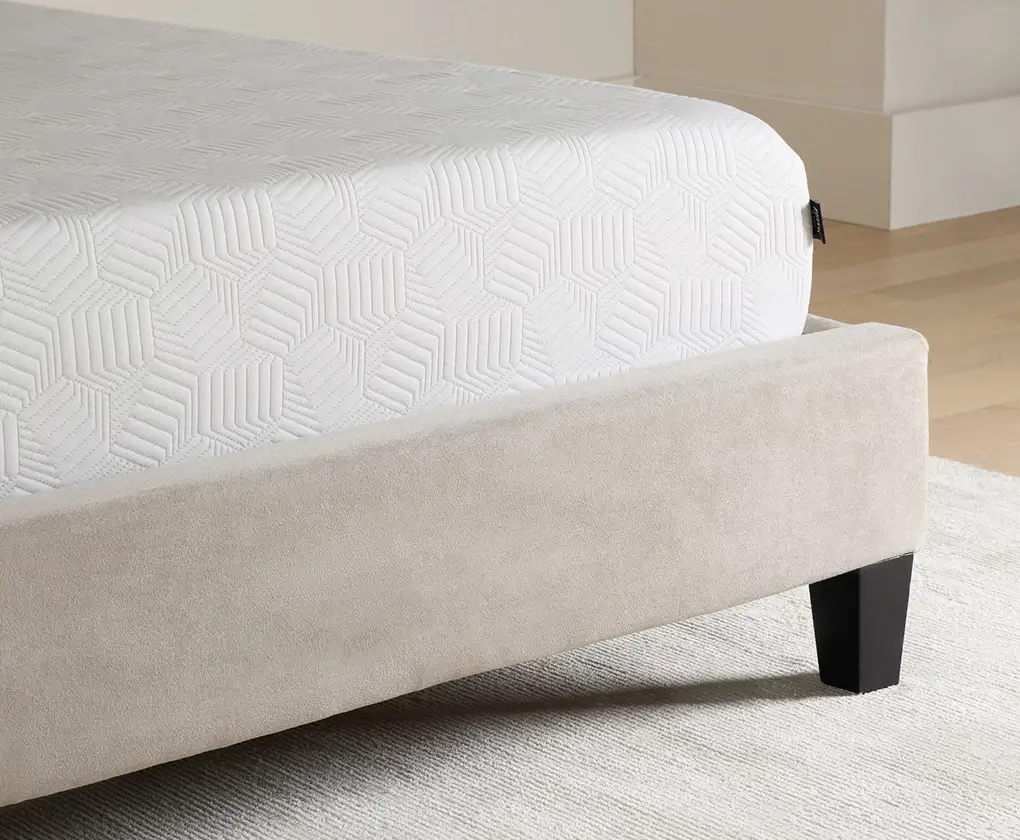
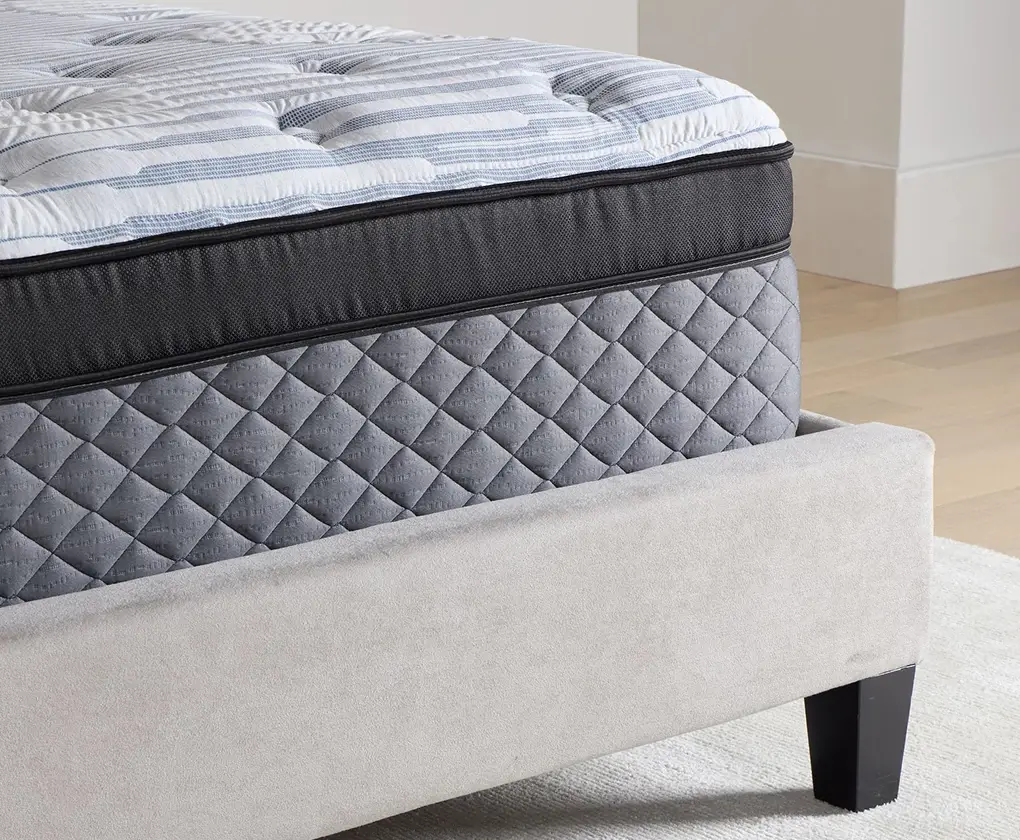
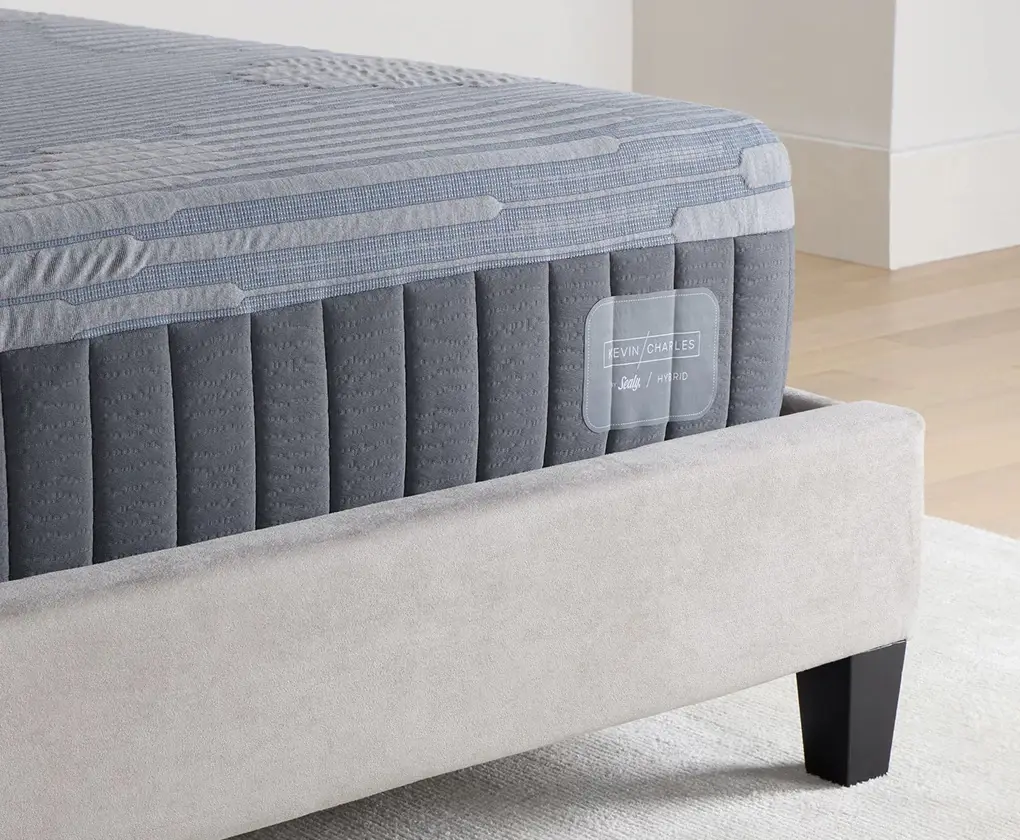
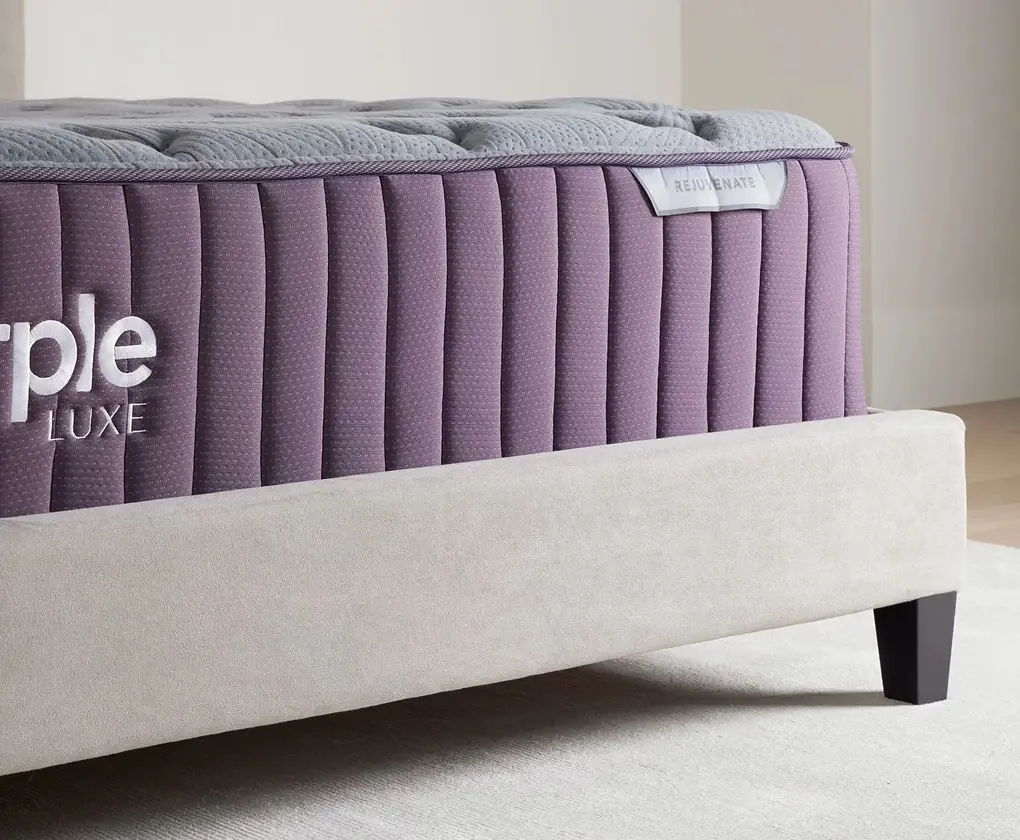
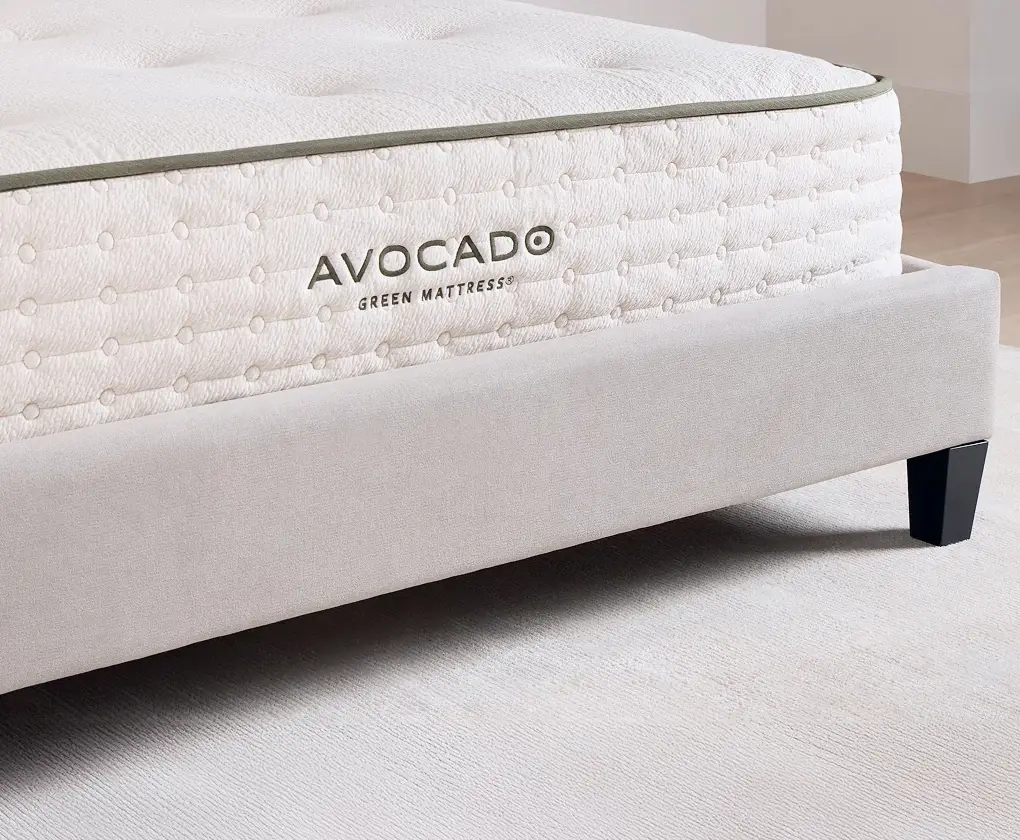
Types of Support

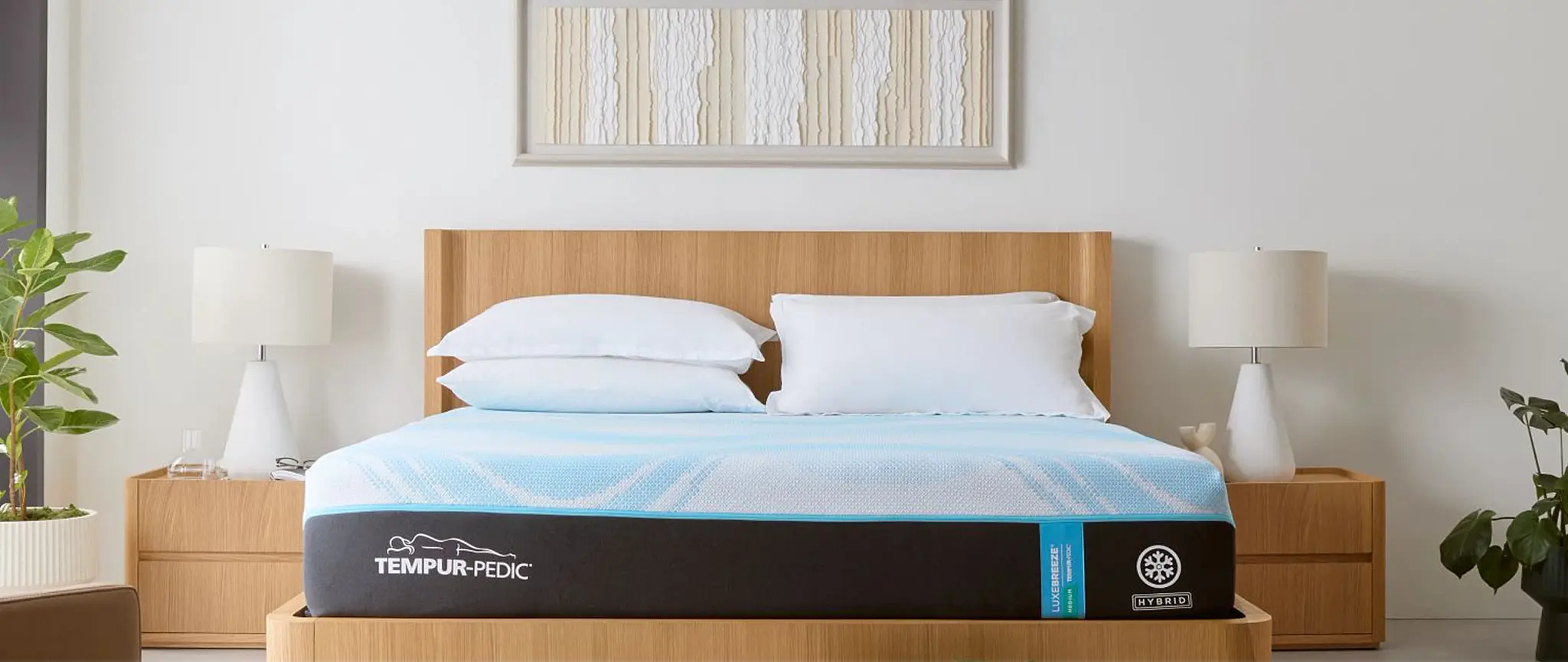

Pocketed Coil
Pocket spring mattresses utilize fabric-wrapped coils that move
independently, providing targeted support and reducing motion
transfer for couples. The contouring nature of pocket springs also
enhances comfort, as they adapt to the body's shape while maintaining
spine support.
Foam Core
Foam core mattresses are constructed from high-density foam, offering excellent contouring and pressure relief. They conform closely to the body, which can alleviate pain points and provide a blissful sleep experience—plus, they also isolate motion well, making them suitable for light sleepers or couples. An added benefit is that they’re lighter and easier to move.
Innerspring
Known for their traditional support and durability, innerspring mattresses
feature a system of steel coils that provide a responsive feel, promoting
proper spinal alignment. The airflow created by the coils helps regulate
temperature, making these mattresses a great solution for hot sleepers.
3. Discover Mattress Features
Comfort and pressure relief, cooling, and motion transfer materials.

Comfort Materials

Fibers
Natural fibers like cotton and wool offer breathability and moisture-wicking, while synthetics like polyester add cushioning. You can find blends that balance softness, durability, and temperature regulation for all-night comfort.

Foams
Foams enhance comfort by contouring to the body and offering resilient support, improving mattress durability while also adapting to all sleep positions for consistent, restful sleep.
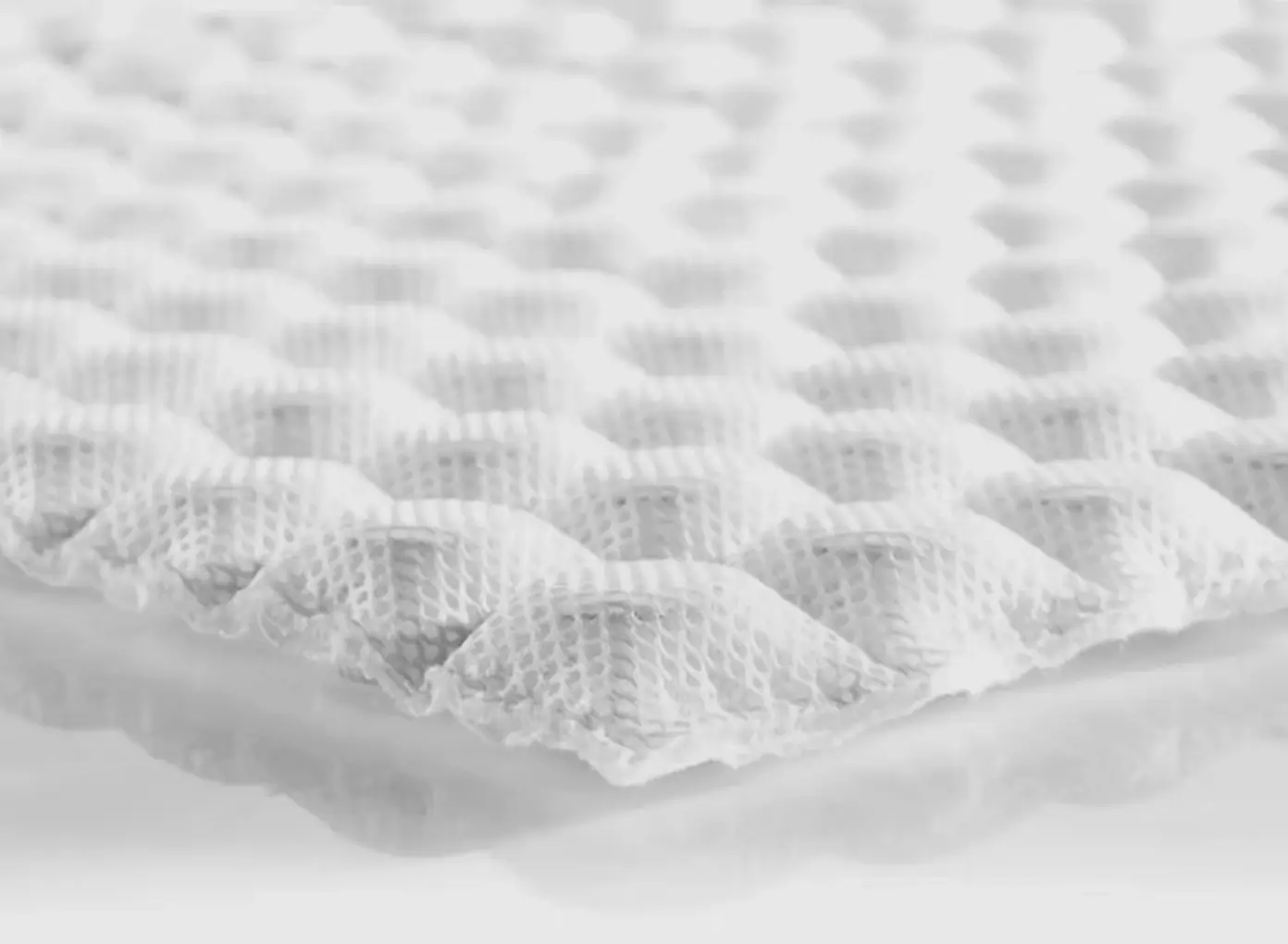
Microcoils
Microcoils use thousands of small coils to cradle the body, reduce motion transfer, and extend comfort life with a responsive, latex-like feel and eco-friendly durability.
Pressure Relief Materials
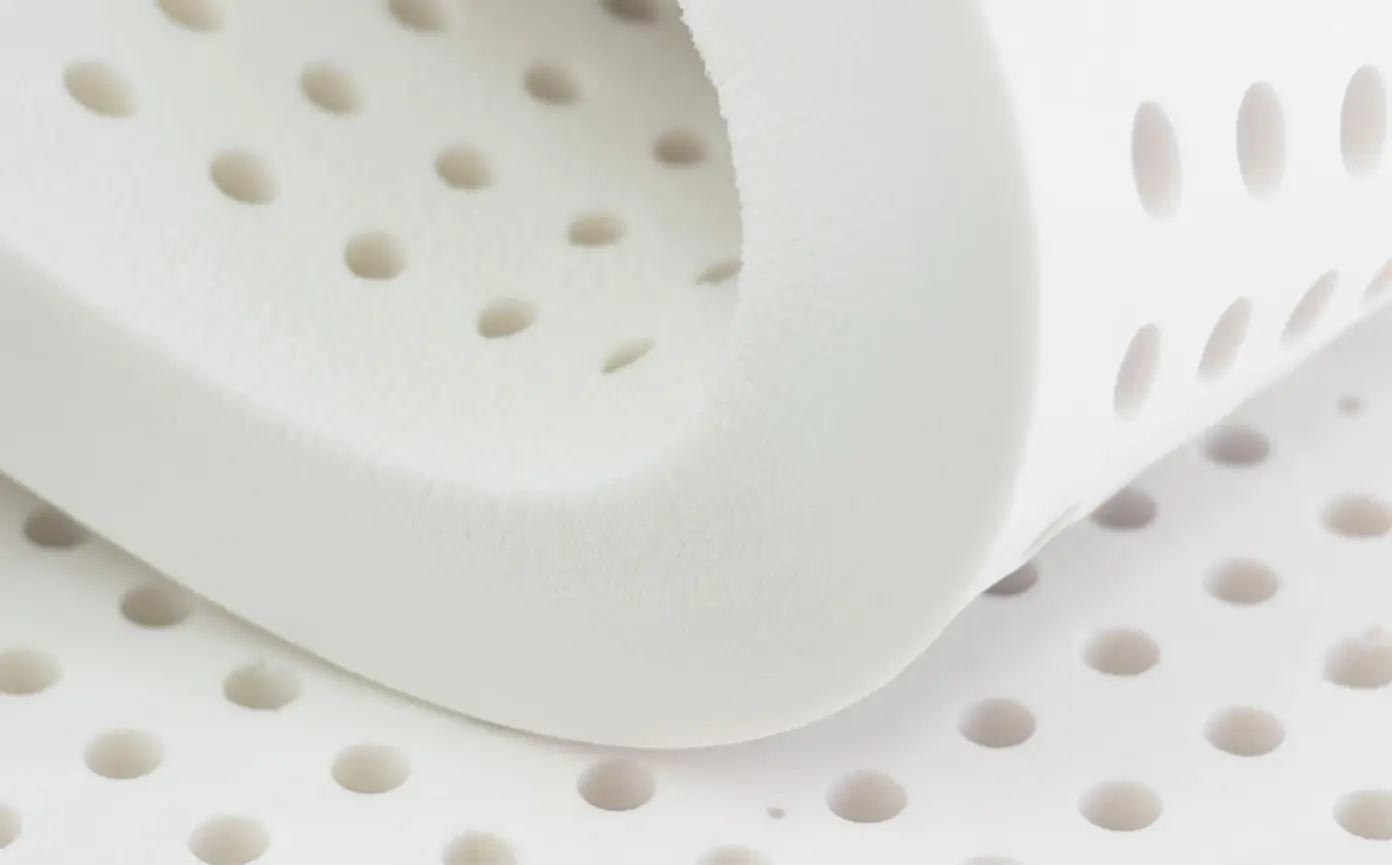
Pressure Relief
Latex
Natural or synthetic latex foam offers a responsive, springy feel with excellent durability. It provides pressure relief and support like memory foam but with more bounce and better breathability. Natural latex is eco-friendly and hypoallergenic, while synthetic latex tends to be more affordable.

Pressure Relief
Foam
Known for its ability to conform to the shape of your body, memory foam offers pressure relief and support. It responds to heat and pressure, allowing it to contour to body curves, distribute weight evenly, and reduce pressure points. It also absorbs motion, making it ideal for couples.

Pressure Relief
Gel Grids
Gel grids provide excellent pressure relief by flexibly adapting to the sleeper's shape. Their unique structure compresses and distributes weight evenly, alleviating pressure points on areas like shoulders and hips. This dynamic support enhances comfort and promotes better spinal alignment.

Cooling Technologies
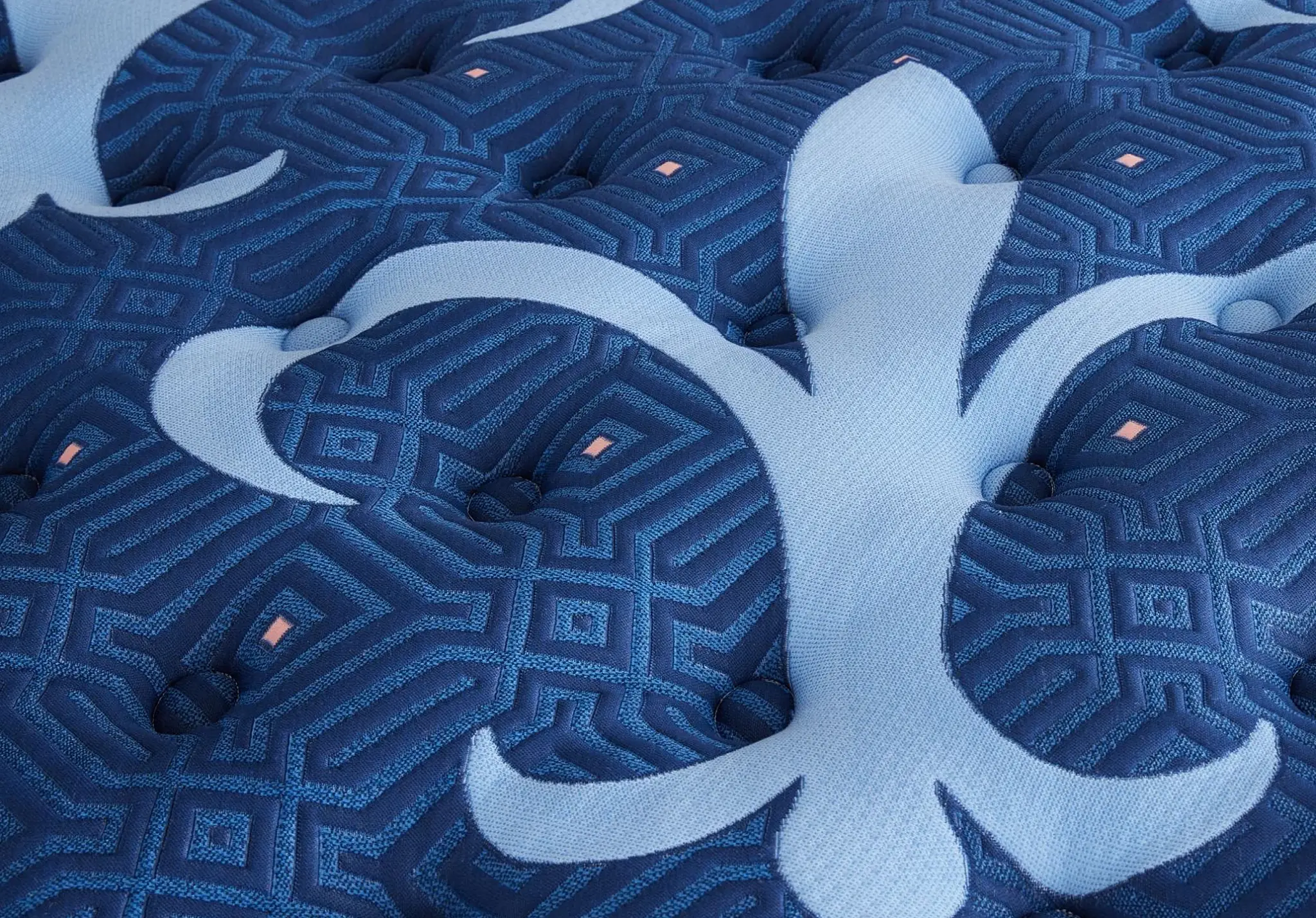
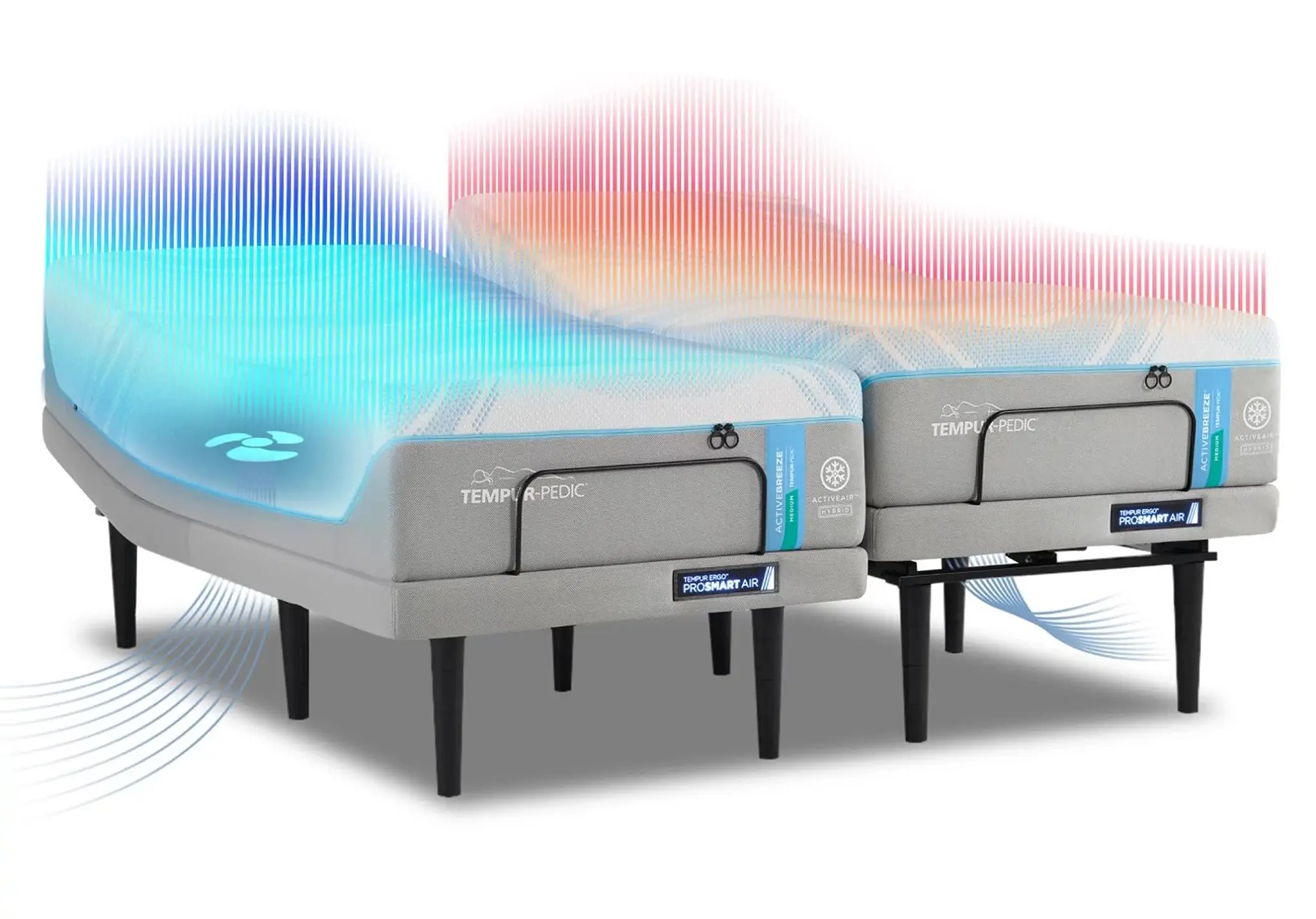
Types of Cooling Materials
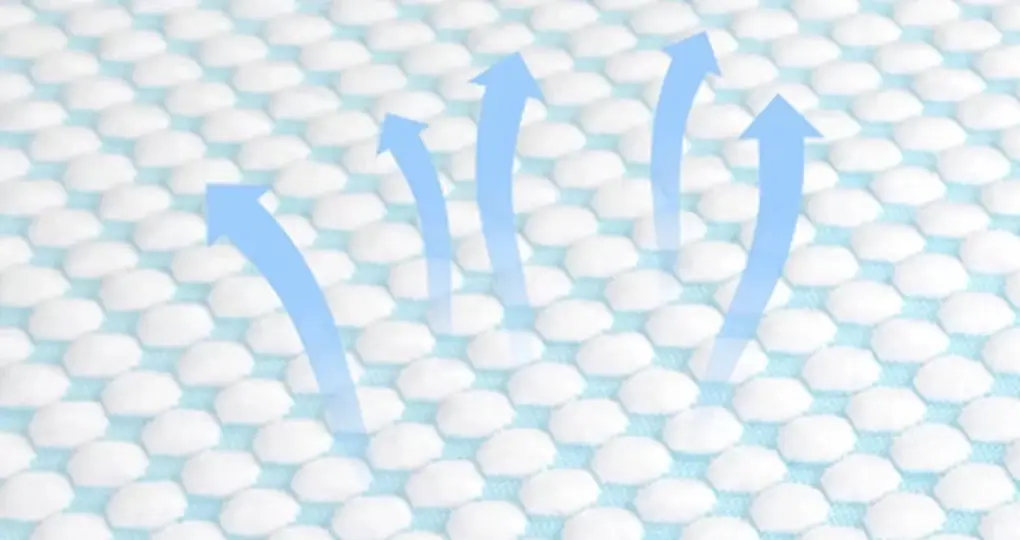
Cooling Treatments
Includes Phase Change Materials, which are designed to absorb, store, and release heat as needed. Their "cool to the touch" sensation and ability to manage temperature changes provide a more comfortable sleep environment.

Cooling Minerals
These include graphite and gel-infused foams, which play an important role in enhancing sleep comfort by regulating temperature. These materials work by absorbing and dissipating body heat, creating a cooler sleeping surface.

Cooling Yarns
These innovative materials are designed to wick away moisture and regulate temperature, ensuring that sleepers remain cool throughout the night. Cooling yarns are woven into fabrics and create a more comfortable sleeping surface.

Cooling Fibers
Fibers can also keep mattresses cool by effectively wicking away moisture and allowing air flow. Natural fibers like cotton and wool can keep mattress surfaces dry and comfortable throughout the night.

What Is Motion Transfer?
Motion transfer in a mattress refers to the way movements on one side of the bed can disturb
partners on the other side. Minor movements, turning over, or getting up can lead to
noticeable shifts on the opposite side.
This can result in frequent awakenings and disrupted sleep for light sleepers, ultimately
This can result in frequent awakenings and disrupted sleep for light sleepers, ultimately
affecting overall sleep quality and mood. Many modern mattresses are designed with
materials that absorb motion to create a more peaceful sleep environment for both partners.
Choosing a mattress with low motion transfer is recommended for those that have a sleeping
partner.