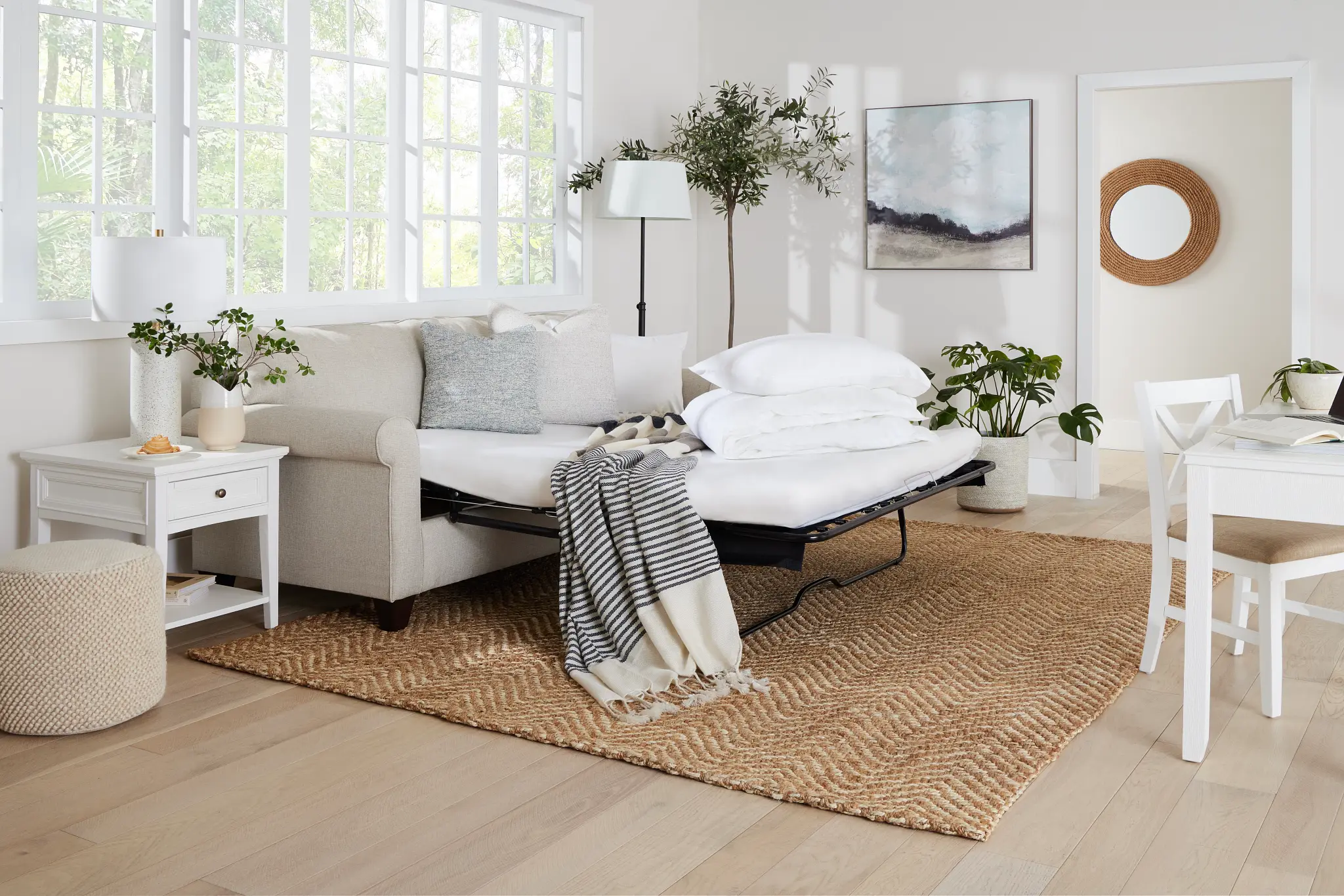
How to Choose the Perfect Bed Sheets: Wrap Yourself in Comfort
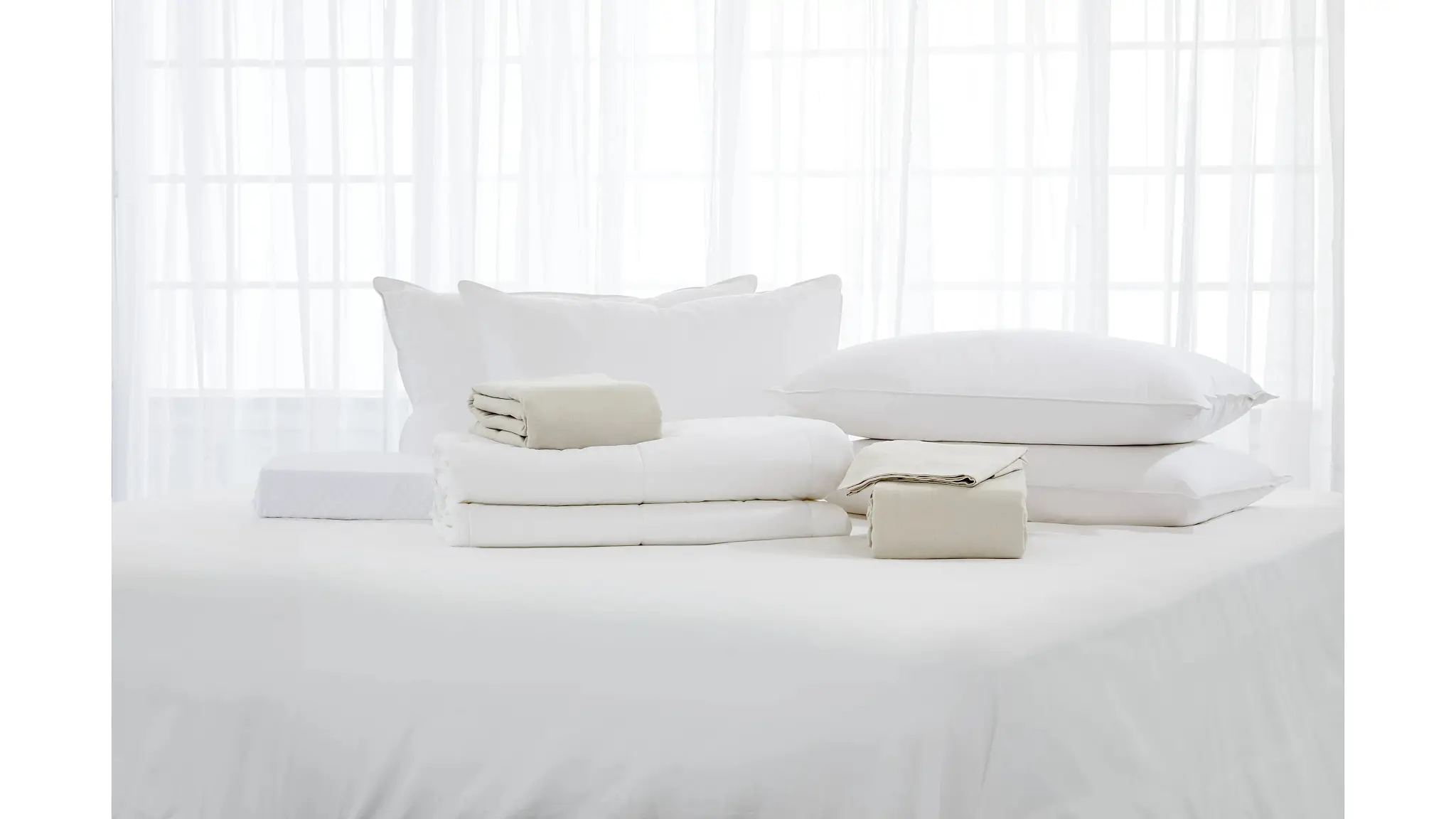
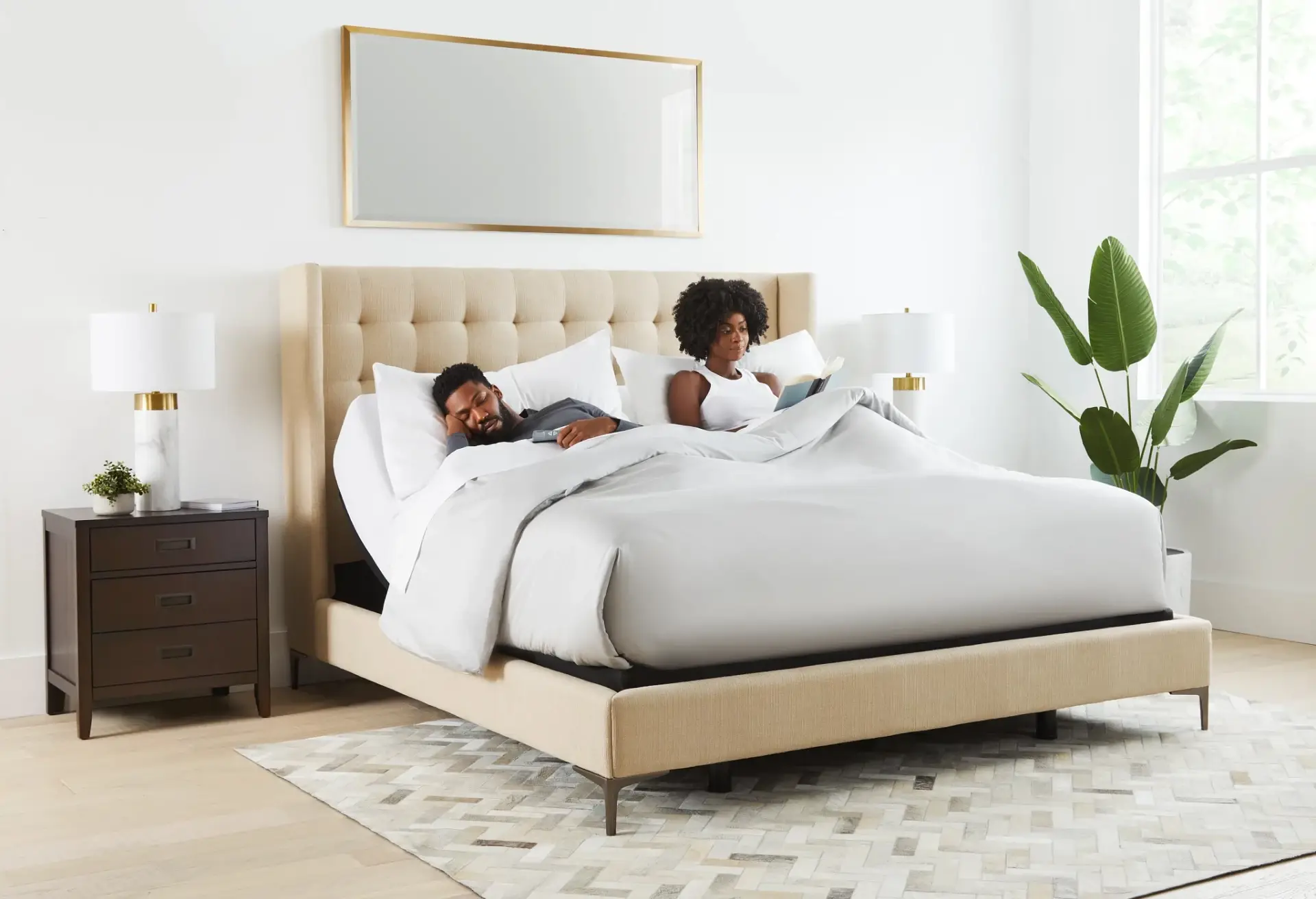
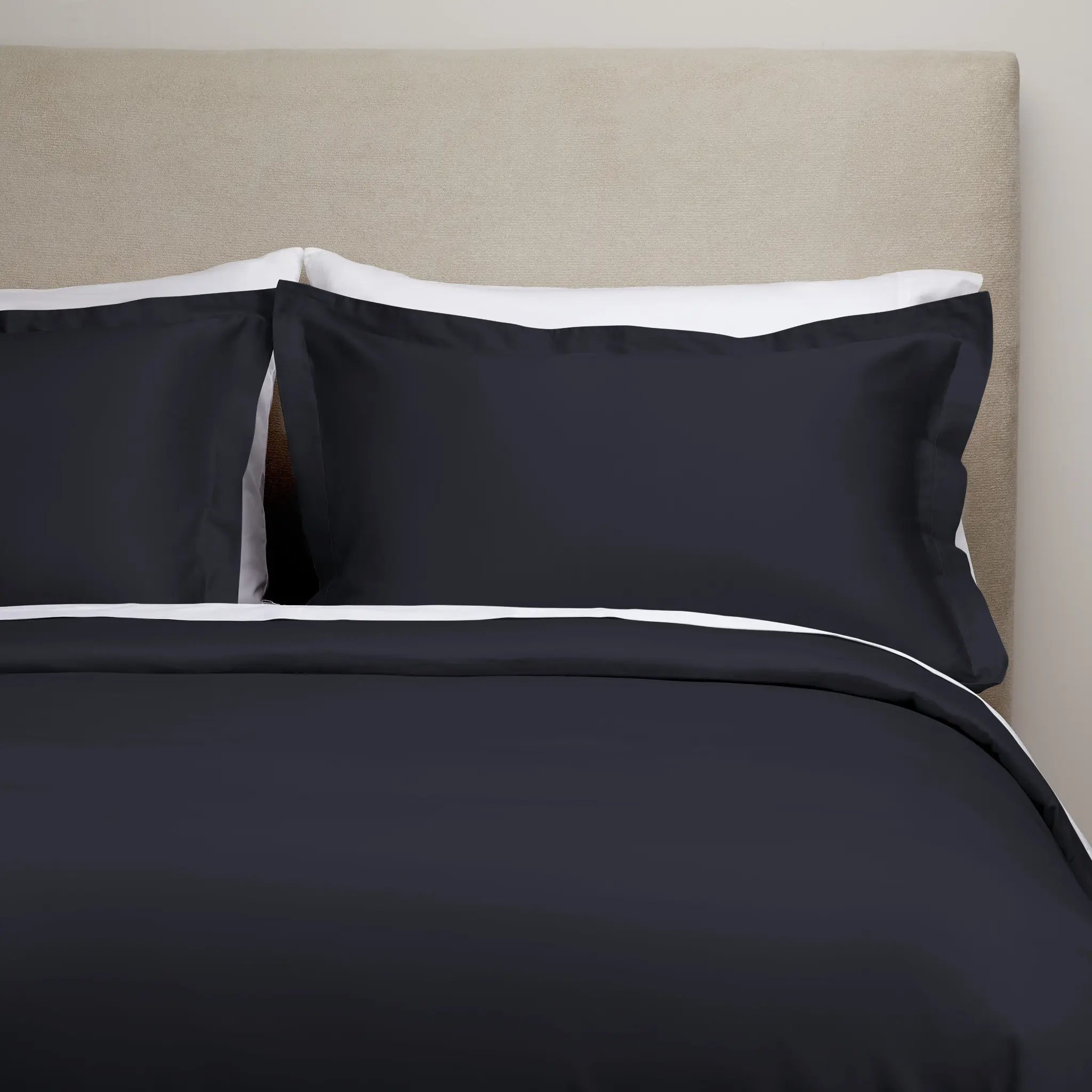
Shop for Bedding That Provides Real Sleep Solutions
The material of your bedding plays a major role in how well you sleep, influencing everything from your comfort and temperature regulation to your overall sleep quality. Whether you struggle with overheating, allergies, or skin sensitivity, selecting the right fabric can make all the difference in achieving a restful, uninterrupted night.
By choosing breathable, soft, and hypoallergenic materials, you can create a healthier and more comfortable sleep environment tailored to your personal needs and preferences.

Hot Sleepers
Should look for breathable, moisture-wicking materials like TENCEL™, bamboo, or percale cotton. It offers natural cooling properties and promote airflow ideal for staying comfortable through the night.

Sensitive Skin Sleepers
Benefit from hypoallergenic fabrics such as organic cotton, TENCEL™, and microfiber. These materials are gentle on sensitive skin, making them ideal for those with allergies or skin irritations.

Luxury Sleepers
May prefer sateen or high-thread-count Egyptian cotton for a smooth, luxurious feel that adds comfort without sacrificing breathability. These premium fabrics are known for their soft and silky texture.

Cold Sleepers
You can layer lightweight microfiber sheets with down-alternative comforters to create a cozy, insulated sleep setup that provides warmth without feeling overly heavy or bulky.
The Best Mattress and Pillow for Your Sleep Position
Everyone has a unique sleep style—and choosing the right bedding layers starts with understanding yours. Whether you sleep on your side, back, or stomach, the right mattress and pillow combo can make all the difference in how you rest and recover each night. Here’s how to build a better bed based on your sleep position:

Side Sleeper
As the most common sleep position, side sleeping benefits from targeted support. Opt for a plush or soft mattress that cushions pressure points like your hips and shoulders, while maintaining proper spine alignment. Pair it with a firm pillow to fill the space between your head and shoulder. For added comfort and alignment, consider a body pillow to support your knees and back.

Stomach Sleeper
Roughly 7% of adults sleep on their stomachs, and this position requires extra care to prevent discomfort. A firm mattress helps reduce pressure on your hips and keeps your spine from arching unnaturally. Pair it with a soft, low-loft pillow to avoid straining your neck. You might also try placing a thin pillow under your pelvis to encourage better spinal alignment.

Back Sleeper
Back sleepers need a balance of softness and support. A medium-firm mattress keeps your spine aligned while preventing sinkage in the lower back area. A medium-loft pillow helps keep your neck in a neutral position, slightly elevating your head without causing strain. For extra lumbar support, consider placing a small pillow or rolled towel under your knees.